
"Tanzania coffee types"
900 article(s) found

Tanzania Coffee Flavor with excellent Flavor characteristics of Manor production area introduction of boutique coffee beans
Tanzania's main coffee producing area, located at the foot of Mount Kilimanjaro, is rich in volcanic soil. Some coffee trees planted here are more than 100 years old. Coffee was first introduced by Christians from Kenya to grow coffee. Coffee trees must be carefully taken care of, weeded and fertilized. And old branches must be cut off so that new branches can grow to maintain the quality of coffee beans.

Coffee flavor and taste in Tanzania the characteristics of the manor producing area introduce the fine coffee beans of Kilimanjaro.
The eastern coastal areas and inland lowlands of Tanzania have a savanna climate, while the western inland plateau has a tropical mountain climate, with an average temperature of 21-25 ℃ in most areas. More than 20 islands in Zanzibar have a tropical maritime climate, hot and humid all the year round, with an annual average temperature of 26 ℃. The types of rainfall can be divided into bimodal distribution and unimodal distribution. The area with double bee distribution rainfall includes dimension.

Introduction to the flavor and taste of Tanzanian coffee Kilimanjaro coffee characteristics of Tanzania boutique coffee beans
Tanzania's main coffee producing area, located at the foot of Mount Kilimanjaro, is rich in volcanic soil. Some coffee trees planted here are more than 100 years old. Coffee was first introduced by Christians from Kenya to grow coffee. Coffee trees must be carefully taken care of, weeded and fertilized. And old branches must be cut off so that new branches can grow to maintain the quality of coffee beans.

Introduction to the flavor of Kilimanjaro coffee producing area in Tanzania, which is rich in volcanic soil.
Tanzania's main coffee producing area, located at the foot of Mount Kilimanjaro, is rich in volcanic soil. Some coffee trees planted here are more than 100 years old. Coffee was first introduced by Christians from Kenya to grow coffee. Coffee trees must be carefully taken care of, weeded and fertilized. And old branches must be cut off so that new branches can grow to maintain the quality of coffee beans.

Introduction of African coffee beans description of African coffee beans introduction of African coffee bean producing areas
Professional coffee knowledge exchange more coffee bean information please follow coffee workshop (Wechat official account cafe_style) Tanzania Coffee Coffee growing area: African Coffee species: medium concentration Coffee description: refreshing acidity and medium mellow complement blackcurrant and sweet orange flavors: washing with flavors: blackcurrant, orange and lemon-like coffee

Characteristics and flavor description of Tanzanian coffee beans, taste treatment, grinding scale
After drinking Tanzanian coffee, you will always feel a soft, mellow, earthy smell around your mouth. Coffee gourmets often use words such as wild or wild to describe it. It can be said that pure Tanzanian coffee is the most African coffee. Tanzania AA is the highest grade of beans with full grains and flavor.

African region Tanzania AA coffee beans Kilimanjaro coffee beans, one of the top representatives
Kilimanjaro Coffee (Kilikmanjaro Coffee) is produced in Mount Kilimanjaro, the highest mountain in Africa in northeastern Tanzania. Its coffee is of good quality, rich aroma and outstanding sour taste, so it is suitable for the preparation of comprehensive coffee. Kilimanjaro coffee is an important lifeline of the Tanzanian economy. About 17% of the foreign exchange is created by coffee and is mainly produced.

Variety, Brand recommendation and Manor introduction of Tanzania Coffee
For the exchange of professional baristas, please follow the coffee workshop (Wechat official account cafe_style) Tanzania coffee single bean species, brand recommendation and manor introduction relative to pair of flat-sided beans, also known as caracol or caracolillo, which means small snail in Spanish; the output of round beans, botanical theory, is said to be due to uneven pollination (

Flavor description of Tanzania Kilimanjaro Coffee processing methods of Fine Coffee beans in Variety producing areas
First: choose good quality coffee beans, because the use of poor quality coffee beans, of course, will greatly damage the flavor of coffee, even if the production of a very balanced single coffee, but also can not make delicious coffee, the choice of good quality coffee beans is the biggest point. Second: get rid of defective beans, mixed with defective beans, the taste will become worse. So we should get rid of the defective beans without stinginess.

Round taste of Tanzania Kilimanjaro coffee flavor taste manor characteristics of boutique coffee
The types of rainfall can be divided into bimodal distribution and unimodal distribution. The areas with double bee rainfall include the provinces around the Lake Victoria basin, the northeast highlands, the coastal and inland northeastern. The bimodal rainfall area is characterized by two rainy seasons. The short rainy season occurs from September to December. The total rainfall can reach 200-500 mm. The long rainy season occurs from March to May.

A brief introduction to the quality of Kilimanjaro Coffee, one of the top representatives of AA coffee beans in Tanzania
Kilimanjaro Coffee (Kilikmanjaro Coffee) is produced in Mount Mount Kilimanjaro, the highest mountain in Africa in northeastern Tanzania. Its coffee is of good quality, rich aroma and outstanding sour taste, so it is suitable for the preparation of comprehensive coffee. Kilimanjaro coffee is an important lifeline of the Tanzanian economy. About 17% of the foreign exchange is created by coffee and is mainly produced.

Introduction to Tanzanian coffee beans with strong glycolic degree of washed coffee
Tanzanian coffee is a kind of Central / East African water-washed (wet-treated) coffee beans, which is characterized by bright acidity and wild flavor. Kenyan coffee is undoubtedly the best coffee of this kind. Garden beans are usually singled out and sold at a higher price, but their performance in the cup is often unsatisfactory, making people feel that it is not worth it. Tanzania garden bean as a new type of coffee bean

Variety of Kilimanjaro Coffee, Brand recommendation and Manor introduction
Exchange of professional baristas Please follow the coffee workshop (Wechat official account cafe_style) Kilimanjaro coffee single bean types, brand recommendation and manor introduction the shining mountain in the distance is covered with red gems, bringing wealth to the people and joy to the diners. Kilimanjaro coffee is an important lifeline of the Tanzanian economy. About 17% of the foreign exchange is created by coffee.

How many kinds of coffee are there in Tanzania
Coffee production in Tanzania: coffee bean-shaped berry coffee in Tanzania produces a lot of coffee and is said to be more fragrant than ordinary coffee. Generally speaking, coffee beans in Tanzania have extraordinary quality. For example, the fine Tanzanian AA AA coffee (ChaggaAA), produced in the Moshi area near Mount Kilimanjaro, is full with its grains.
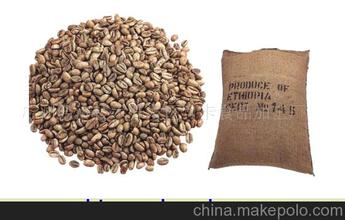
Description of characteristic Flavor of Tanzanian Coffee Regional treatment Grinding scale for Taste production
Tanzania Coffee characteristic Flavor description Regional processing method Grinding scale in early 2010, there was a new trend of political reconciliation in Sangdao, and the Revolutionary Party and the RUF reached an agreement on the formation of a unity government in Sangdao. In July of the same year, the Sang referendum adopted a resolution on the establishment of a government system of national unity. In November, the general election of Sang was held smoothly, the government of national unity was established on Sangdao, and President Sang was established.

Complex taste of Tanzania Kilimanjaro coffee flavor description grinding degree taste characteristics
Tanzania covers an area of 945087 square kilometers, of which Zanzibar is 2657 square kilometers. It consists of the mainland, Zanzibar and more than 20 small islands. Located in eastern Africa and south of the equator, the continent is bounded by the Indian Ocean to the east, Zambia, Malawi and Mozambique to the south, Rwanda, Burundi and the Democratic Republic of the Congo to the west, and Kenya and Uganda to the north. The coastline of the mainland has 840 kilometers of rainfall.

Kilimanjaro Coffee Tanzania Meru Coffee Bean
Kilimanjaro coffee is mainly suitable for blending, you can make your own blend or make a variety of fancy coffee. Brewing: To brew a good cup of coffee, in addition to fresh coffee powder and slightly harder water, there must be a handy brewing tool. There are three main types of coffee brewing machines commonly used. Drip filtration: water

Peaceful and full-bodied coffee manor in Arusha, Tanzania, the planting market price of fine coffee bean varieties is simple.
Raw beans: raw beans are unbaked beans, which contain 11.5% fat; 11.5% moisture; 28.6% crude fiber; 4.0% minerals; 6.2% tannic acid; 1.3% caffeine; 17.0% essence; 8.1% sugar; 11.8% protein. Baked beans: baked beans containing 13.0% fat; 1.5% caffeine; 29.5% crude fiber; 2.6% moisture; 5.0% minerals

Tanzania Kilimanjaro Coffee Arusha Coffee Manor with sweetness and light sour taste
The coffee beans are of extraordinary quality and are produced in the Mohi district near Mount Kilimanjaro. The mountain area with a height of 3,000 to 6,000 feet is the most suitable area for growing coffee. Fertile volcanic ash gives the coffee here a strong texture and soft acidity. It exudes delicate aromas and contains aromas of wine and fruit, giving people an aftertaste.